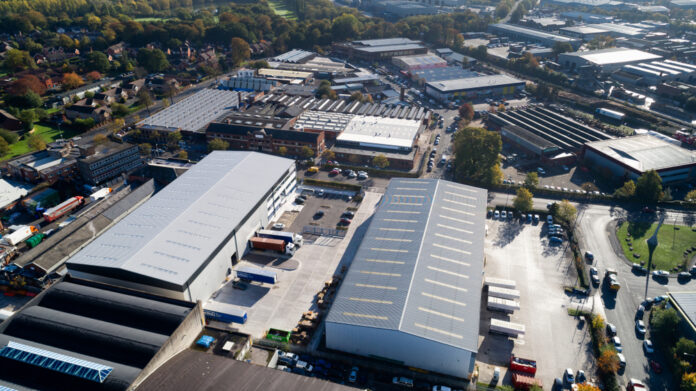
Industrial real estate investors looking for the next opportunity in southern Illinois are starting to focus on a handful of towns that combine workforce availability, infrastructure, and affordable prices. While major cities get most of the attention, these smaller areas are attracting more site visits, investor inquiries, and off-market deals. Local industry professionals say the momentum is real and that these communities may offer better value and upside than larger, crowded markets.
Recent trends in manufacturing, logistics, and data infrastructure have shifted investor interest toward markets with reliable utilities, highway access, and room to grow. As competition heats up in traditional hubs, the following five areas stand out as regions where activity is picking up, and prices have not yet peaked.
The Five Areas Investors Are Watching
1. Madison County: Data Centers Drive New Demand
Madison County, once known for aging factories and quiet towns, is now attracting attention from data center developers seeking land with reliable power and water supplies. Steve Zuber, principal at BARBERMurphy, confirms that several sites in Madison County are under review by major data center operators. The county government has taken an active role, visiting data centers in other states, engaging local communities, and addressing concerns about these facilities. This level of preparation reassures investors that the area is ready for large-scale projects.
For small and midsize investors, this shift creates opportunities to purchase land or older industrial properties before prices jump. Data centers not only pay premium prices for suitable sites, but also generate significant tax revenue, which appeals to local governments aiming to strengthen their budgets.
2. St. Clair County: Affordable for Now
Adjacent to Madison County, St. Clair County offers similar advantages but at lower land prices. The area’s proximity to Interstate 64 and Interstate 55 makes it attractive for logistics and manufacturing operations. Zuber notes an uptick in investors acquiring older warehouses and factories, renovating them, and leasing to companies seeking to consolidate operations.
He explains, “Companies are looking to consolidate multiple locations into one and put everything under one roof. We’re seeing a lot of that right now.” For those seeking value, St. Clair County remains relatively affordable and is increasingly on investors’ shortlists.
3. I-70 Corridor to Lake of the Ozarks: Following Business Expansion
Investor attention is also moving west along the Interstate 70 corridor toward Lake of the Ozarks in Missouri. According to Zuber, businesses are expanding into these areas to access lower costs and strong labor pools. This corridor offers a mix of industrial land, older facilities suitable for renovation, and communities eager to attract new employers.
The benefit for investors is less competition and greater negotiating power. As more companies relocate or expand into this stretch, property values and demand are expected to rise.
4. I-44 Corridor to Springfield, Missouri: Manufacturing Growth
The Interstate 44 corridor leading to Springfield, Missouri, is experiencing renewed manufacturing activity, driven in part by federal tariff policies encouraging domestic production. Zuber reports that more companies are establishing manufacturing operations in this region, reversing years of reliance on imports. Springfield and neighboring towns provide a combination of skilled labor, affordable real estate, and local governments supportive of new business.
For investors, this means a steady demand for industrial space and the potential for long-term, stable tenants.
5. I-55 Corridor to Cape Girardeau: Rediscovering Overlooked Markets
The Interstate 55 corridor, which stretches to Cape Girardeau, Missouri, has long been overlooked, but that is changing as investors recognize its potential. Many towns here have strong infrastructure and low land costs, but their workforces were left behind after factory closures. Zuber points out that these communities still have a pool of experienced workers seeking employment.
This environment is attractive to companies looking to open new facilities or relocate from higher-cost locations. Investors can acquire properties at relatively low prices and lease them to businesses eager to tap into available labor.
How to Identify the Next Emerging Market
Not every opportunity comes with headlines or fanfare. Local investors often use the following indicators to spot emerging areas:
– Permit activity: An increase in renovation or new construction permits signals investor confidence.
– New businesses: Openings of coffee shops, gyms, or childcare centers often reflect growing demand.
– Highway proximity: Easy access to major interstates attracts logistics and manufacturing companies.
– Community engagement: Economic development initiatives and business incentives indicate readiness for growth.
– Utility infrastructure: Interest from data centers or energy projects suggests robust power and water availability.
Why This Matters Now
These five southern Illinois and Missouri markets are at a pivotal stage. They offer a combination of affordability, infrastructure, and workforce strength at a time when traditional markets are crowded and overpriced. Investors willing to look beyond established hubs can find better deals and less competition in these areas.
Zuber notes, “The tertiary markets have really taken off over the years. The labor force is strong, and they seem to have better work ethics than some of the bigger markets.” As larger investors and companies continue to search for cost-effective locations with reliable labor and infrastructure, these towns are likely to see increased investment and rising property values.
Looking Ahead
The window for getting into these markets at favorable prices is narrowing. As more investors and businesses recognize the potential, competition and prices will increase. Early entrants stand to benefit from both appreciation and stronger returns as demand grows.
For investors frustrated by rising costs and intense competition in traditional markets, expanding the search to these emerging areas could yield significant advantages. The real question is whether you will act before these towns become the next hot spots everyone is chasing.
About the Expert: Steve Zuber is a principal at BARBERMurphy, a commercial real estate firm in southwestern Illinois specializing in industrial properties, investment sales, and land deals across Illinois and Missouri.
This article is based on information provided by the expert source cited above. It is intended for general informational purposes only and does not constitute legal, financial, or real estate advice. Readers should conduct their own research and consult qualified professionals before making any real estate or financial decisions.