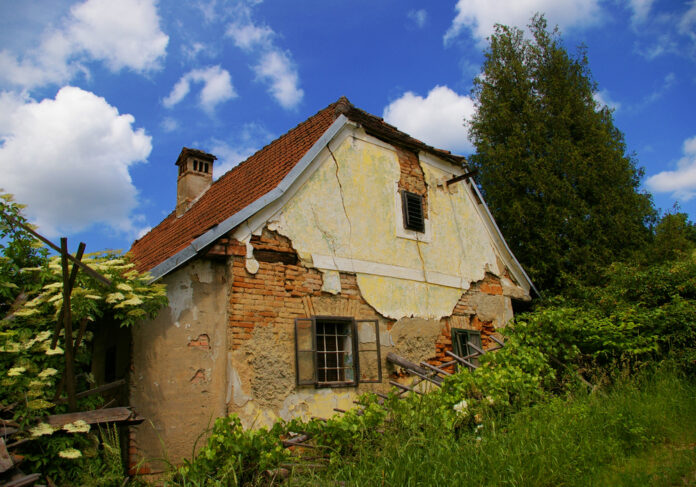
Distressed properties requiring substantial renovation are now among the most reliable sources of meaningful returns for real estate investors in competitive suburban markets, according to Fiona Dogan, Global Real Estate Advisor at Julia B. Fee Sotheby’s International Realty in Westchester County, New York.
Standard homes in these areas command premium prices, leaving little room for traditional investment strategies. Properties with environmental issues, structural damage, or deferred maintenance are avoided by most homebuyers. That avoidance has opened a gap skilled developers can exploit for profit.
Why Buyers Skip Problem Properties
Dogan explains that the typical suburban buyer, especially families with children and busy careers, rarely considers homes with significant problems. Buyers immediately reject properties with environmental concerns such as buried oil tanks or mold, structural issues such as water damage, or complicated permitting histories.
Buyers are more concerned about risk, time, and disruption than the actual cost of repairs. Many could afford the renovations, but managing contractors, navigating permits, or handling environmental remediation is unworkable for families juggling school schedules and professional obligations.
“They have to drive the kid to school and do their day job,” Dogan says. “They don’t have the time or the experience to handle those things.”
As a result, properties with these issues tend to sit on the market longer and sell at a discount. This creates a rare arbitrage opportunity, one of the few remaining in today’s competitive suburban markets.
How Developers Profit From Discounts
Developers and experienced contractors see these same properties differently. What appears daunting to a typical buyer is a routine project for someone with the right resources and contacts.
A developer can quickly assemble teams for painting, environmental cleanup, or oil tank removal because of established relationships. “They’ll just call their usual paint guy or environmental contractor and get it done,” Dogan says.
This operational advantage allows developers to buy at a discount, renovate efficiently, and resell for a premium. The profit comes from the spread between acquisition and renovation costs and the final sale price, a margin that has largely disappeared from standard property investments.
Traditional rental strategies now offer little upside. High purchase prices expose investors to significant risk if rental rates soften. “The buying price today is so high that the risk is huge,” Dogan says. Rental income often fails to justify the upfront investment, especially if rents decline or remain flat.
The renovation approach creates value through hands-on execution rather than relying on market appreciation or rising rents.
Properties With the Most Potential
The properties with the greatest investor potential share characteristics that deter most buyers, according to Dogan. The most significant are:
- Environmental problems: Buried oil tanks, soil contamination, or mold are red flags for families who worry about health and long-term liability.
- Structural issues: Water damage or evidence of deferred maintenance raises fears about hidden defects and future repair costs.
- Permitting or land use complications: Uncertainty about what can be legally built or modified discourages buyers who lack experience with local regulations.
“The opportunity for developers or investors is in houses that need significant renovation,” Dogan says.
What unites these categories is the need for specialized knowledge and contractor networks. Most buyers lack both, creating an information and execution gap that experienced investors can leverage.
Dogan says the real edge comes down to “experience versus non-experience and time and the risk tolerance.” Developers have completed similar projects before, allocate time for oversight, and understand the risks involved realistically. Less experienced buyers tend to overestimate the dangers and difficulties.
Investor Interest Expected to Grow
Most sophisticated buyers in Westchester County are not currently pursuing heavy renovation projects, according to Dogan. As prices for turnkey homes rise and competition intensifies, some buyers are beginning to see value in properties that need moderate upgrades.
Still, the most distressed opportunities, those with major environmental, structural, or permitting challenges, are largely the territory of professional developers. As capital searches for yield in markets where standard investment strategies offer little upside, the renovation segment could attract more investors willing to develop operational expertise or partner with experienced contractors.
The divide between what typical buyers are willing to take on and what skilled developers can handle remains wide. That gap continues to provide one of the last viable arbitrage opportunities in suburban real estate, offering meaningful returns for those with the experience and risk appetite to pursue it.