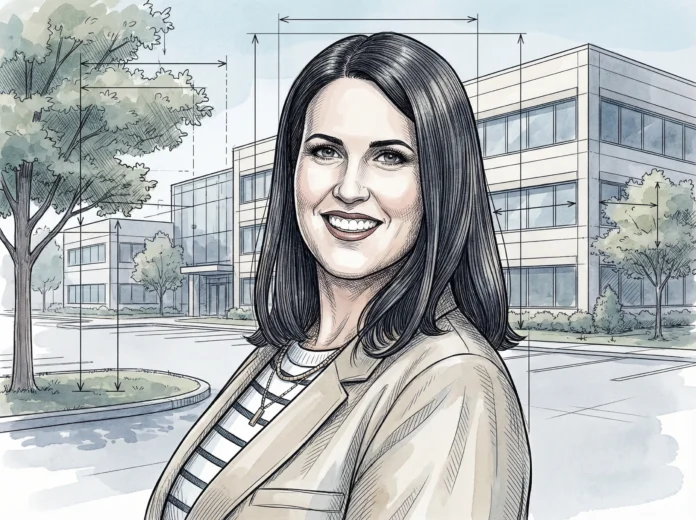
Philadelphia’s commercial real estate market is emerging from years of pandemic-driven disruption, but the path forward remains uneven. Shifts in tenant priorities, a stark divide between top-tier and aging properties, and ongoing financial distress continue to reshape the city’s office landscape in real time. Industry veteran Carol G. Huff, President of Real Estate Investment Strategies, Inc., and partner in a Keller Williams office, has spent nearly four decades advising tenants and owners. She says the market is stabilizing, but new realities are forcing both landlords and tenants to rethink their strategies.
A Market Divided
Philadelphia’s office sector is now defined by a widening gap between high-end buildings that have invested in amenities and older properties struggling to attract tenants. Class A towers in prime locations have maintained strong occupancy by offering features that appeal to today’s workforce—such as upgraded common areas, wellness amenities, and flexible meeting spaces.
“The high-end buildings in Philadelphia are still doing very well,” Huff says. She attributes this to landlords who have created environments that actively draw employees back to the office and support their tenants’ specific needs. These buildings can command premium rents and maintain stable tenant rosters.
In contrast, older office properties face stiffer competition and are often forced to compete on price. Many are offering significant rent reductions to attract or retain tenants, but for some, even aggressive pricing isn’t enough. Huff notes that several owners have opted to convert their buildings to alternative uses, especially residential. However, not all buildings are viable candidates for conversion. Those with smaller floor plates and side-loaded elevators are more easily adapted to apartments. At the same time, center-core buildings with limited natural light typically remain office-only or require costly redevelopment.
Changing Tenant Needs
The pandemic dramatically altered how companies use office space. Traditional layouts that prioritized perimeter offices and support staff have given way to designs that encourage collaboration and flexibility. Huff explains that tenants are now seeking layouts that foster teamwork and provide amenity-rich environments to attract employees back on-site.
“Design has changed, and the actual goal of the design has changed,” Huff says. Companies are focused on creating spaces where employees can work together, share knowledge, and engage in informal learning. This shift is rooted in the recognition that remote work, while offering flexibility, cannot replace the sense of connection and company culture that comes from in-person collaboration.
Many firms have adopted hybrid work models, with specific days when all staff are required to be in the office. The goal is to balance individual flexibility with the benefits of shared work and team cohesion. According to Huff, this approach is now common among tenants seeking to retain talent and maintain productivity.
Financial Distress and Uncertainty
Despite signs of stabilization at the top end of the market, financial stress remains widespread among office buildings. The sharp decline in office demand during the pandemic left many properties with high vacancy rates and reduced income streams. As a result, a significant number of buildings are in foreclosure or under receivership.
“Many are in foreclosure. Many are not in foreclosure, but they’re in receivership,” Huff says. This creates uncertainty for both tenants and brokers, as the quality of building operations can suffer when owners are unable—or unwilling—to invest in maintenance and services. Essential functions like cleaning, janitorial work, and elevator maintenance are often among the first to be cut, leading to tenant dissatisfaction and higher turnover.
However, Huff has seen some improvement as experienced receivers take over struggling properties. These professionals understand the operational needs of commercial buildings and are working to stabilize assets, negotiate lease renewals, and make necessary improvements to retain tenants.
The Tenant Representative Advantage
Given the market’s volatility, tenants increasingly rely on specialized representation to navigate complex lease negotiations and ongoing property management issues. Huff’s firm distinguishes itself by offering long-term support that goes beyond the initial transaction. Rather than focusing solely on signing leases, they remain involved throughout the lease term, serving as in-house advisors to their clients.
“We are their in-house real estate go-to whenever they need us, and we don’t charge them to do that,” Huff says. Her team helps clients manage everything from billing disputes to estoppel certificate reviews and addresses operational issues as they arise. Their legal and engineering expertise enables them to ask informed questions and anticipate potential pitfalls, providing added value in a challenging environment.
Safety and Urban Vitality
Looking ahead, Huff points to urban safety and community vitality as critical factors in Philadelphia’s commercial real estate recovery. The city’s dense residential population in the urban core supports restaurants, retail, and other amenities that make downtown attractive to workers and visitors.
“It all starts with safety in our community,” Huff says. She has observed a gradual improvement in crime statistics and an increase in people returning to downtown spaces, which she credits to both public safety efforts and the return of amenities that draw people back to the city center.
Community organizations and business associations, some with decades of experience, are playing a key role in this recovery. By investing in streetscape improvements, sponsoring events, and advocating for public safety, they help create an environment where businesses can thrive, and employees feel comfortable returning to work.
Development and Financing Constraints
While some parts of the market show resilience, new office construction has largely stalled. High construction costs and tighter lending standards have made it difficult to launch new projects, especially speculative developments. Huff notes that the condominium sector faces additional hurdles when Fannie Mae restricts lending for high-rise projects, causing temporary but significant disruptions in financing.
Interest rates remain higher than the historic lows of recent years, making borrowing more expensive for both developers and property owners. Huff reminds clients to view current rates in context: “Six or eight percent was considered fantastic compared to the 18% rates seen in the past.” Still, the higher cost of capital is slowing development and making it harder for some owners to refinance existing debt.
Market Outlook
Despite ongoing headwinds, there are signs that Philadelphia’s commercial real estate market is stabilizing. The city continues to see robust residential development, which supports retail and service businesses and creates long-term demand for office space. The return of amenities and improved perceptions of safety are encouraging more employers to bring workers back to the office, especially in high-end buildings with modern features.
However, the recovery remains uneven. The fate of older office buildings will depend on owners’ ability to adapt—through conversion, renovation, or aggressive pricing. The successful resolution of distressed assets, coupled with continued improvements in public safety and urban amenities, will be essential to sustaining momentum.
For tenants and industry professionals, the current environment demands a proactive approach to lease negotiations, property management, and workplace design. Companies that prioritize collaboration, flexibility, and employee well-being are better positioned to attract and retain talent, while landlords who invest in their properties will remain competitive.
As Philadelphia rebuilds its commercial real estate sector, the focus is shifting from short-term crisis management to long-term strategies that support economic vitality and community growth. The next phase will be defined by how well the city leverages its strengths—urban density, a diverse economy, and a strong sense of community—to create a resilient and attractive environment for businesses and workers alike.
About the Expert: Carol G. Huff is the President of Real Estate Investment Strategies, Inc. and a partner in a Keller Williams office, with nearly four decades of experience advising commercial real estate tenants and property owners. She specializes in tenant representation and long-term advisory services, helping clients navigate lease negotiations, property management challenges, and shifting market conditions.
This article is based on information provided by the expert source cited above. It is intended for general informational purposes only and does not constitute legal, financial, or real estate advice. Readers should conduct their own research and consult qualified professionals before making any real estate or financial decisions.