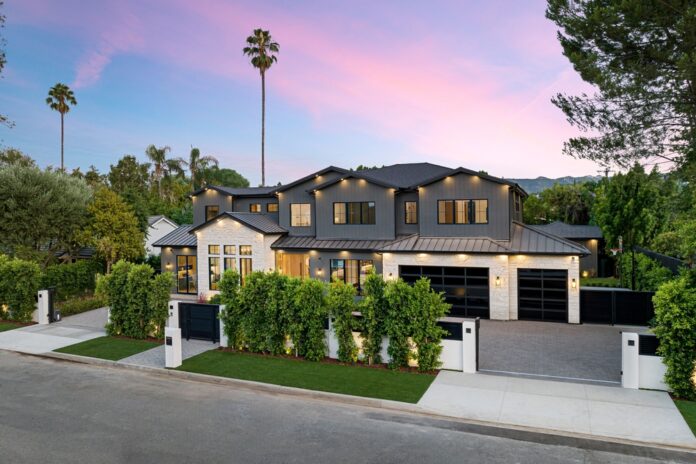
Austin’s housing market is defying expectations this spring. High-end properties, which many expected to linger, are selling in days, while entry-level homes — traditionally the most competitive segment — are staying on the market much longer.
Buyers searching for homes under $500,000 in Austin now face less competition and more options than in recent years. In contrast, those looking for homes above $800,000 must act quickly to secure a deal.
“We’re reaching back to 2021 pricing in some neighborhoods,” says Jen Berbas, founder of Berbas Group in Austin. However, she notes that this trend is not uniform across the city. Her team’s weekly inventory tracking reveals a distinct divide: luxury listings are moving rapidly, while more affordable homes are taking longer to sell.
What the Numbers Show
In Austin’s central neighborhoods, homes priced above $800,000 are spending an average of just 9 days on the market before going under contract. Meanwhile, properties under $400,000 are sitting for 34 days or more — nearly four times as long.
This pattern repeats across several price segments. Historic neighborhoods like Hyde Park are seeing homes sell well above their last-listing prices, often through private transactions that never appear on the public MLS. In contrast, areas such as Southeast Austin and Circle C, which cater to first-time buyers, have higher inventory and less buyer activity.
What’s Driving the Divide?
The current split comes down to who is buying — and who isn’t.
First-time buyers, who typically drive demand for starter homes, have pulled back as mortgage rates climbed above 7%. Many are waiting for rates to drop or are working to save larger down payments, which has led to a buildup of unsold homes in the lower price tiers.
Meanwhile, wealthier buyers — often relocating from other states or moving up within Austin — are less affected by higher rates. Many pay cash or make large down payments, reducing the impact of mortgage costs. “Single-family homes are not driven by yield,” Berbas explains. “Emotions drive them.”
Investors are present in the market, but their influence is limited. Austin has historically been an appreciation market, not one where rental income covers mortgage costs. Berbas developed a tool to scan for properties where rent could match the mortgage, but typically finds only 20 to 50 such homes citywide. Investors who do buy are betting on long-term appreciation, focusing on higher-priced properties in central neighborhoods with strong land value, rather than chasing immediate rental returns.
Recent Examples on the Ground
Last month, a two-bedroom condo in a central Austin neighborhood listed at $650,000 attracted three offers above asking price during its first weekend on the market. All offers came from buyers relocating from out of state or upgrading from smaller homes.
In the same building, a comparable one-bedroom unit sat unsold for six weeks and received only two showings. The difference: the two-bedroom appealed to buyers with greater flexibility and larger budgets, while the one-bedroom targeted a price-sensitive group that is largely inactive at the moment.
In Hyde Park, a historic single-family home sold well over its listing price through a private deal that never appeared in public data. Berbas notes that these off-market transactions are becoming more common in high-value neighborhoods with limited inventory. “There’s just this whole private market happening there,” she says.
How to Navigate Today’s Market
For buyers targeting starter homes, patience pays off. Inventory is higher in the under-$500,000 range, and sellers are more willing to negotiate on repairs, closing costs, or price. There’s little pressure to rush bids, giving buyers more leverage than they may realize.
Buyers pursuing homes above $800,000, however, need to act quickly. Multiple offers are common, and waiting even a week can mean missing out. Coming in with a strong, clean offer and being ready to close fast is now essential in this segment.
Sellers of starter homes should price aggressively and avoid overpricing, which can lead to extended time on the market and raise buyers’ suspicions. Offering credits for repairs or investing in staging can help a property stand out amid higher competition.
For luxury home sellers, now is the time to list. Demand is strong, and well-prepared properties are selling quickly. Emphasizing move-in readiness and flexibility to close quickly can help secure strong offers. This favorable window for high-end sellers may be temporary.
The Bottom Line
Austin’s housing market has flipped its usual script. Luxury homes are in high demand and move fast, while starter homes are taking longer to sell. The typical rules of the market no longer apply. Whether buying or selling, success now depends on understanding where the momentum is — and being prepared to act decisively.
“If you want the best deal, there’s a certain type of house we have to go after,” Berbas says. “We can’t necessarily find the best deal where you also want to be.”
Looking Ahead
This unusual split in Austin’s market is driven by broader economic forces — higher interest rates, cautious first-time buyers, and the relative insulation of affluent buyers from financing pressures. If rates drop or economic conditions change, the balance could shift again, bringing new dynamics to both ends of the market.
For now, buyers and sellers who recognize which segments are moving — and adjust their strategies accordingly — are best positioned to succeed in Austin’s unpredictable market.
About the Expert: Jen Berbas is the founder and team lead of Berbas Group in Austin, Texas. A former floor trader and credit analyst, she uses data-driven strategies to track weekly market trends and guide clients through Austin’s changing neighborhoods.
This article is intended for informational purposes only and does not constitute legal, financial, or investment advice. The views and opinions expressed herein reflect those of the individuals quoted and do not represent an endorsement of any company, product, or service mentioned. Readers should conduct their own due diligence and consult qualified professionals before making any investment decisions.