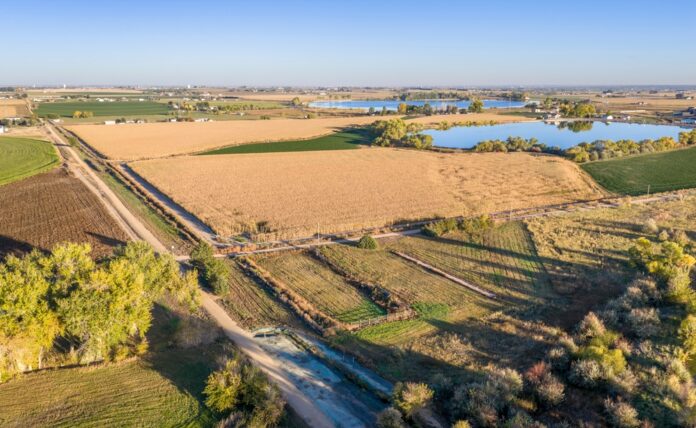
Institutional landowners in Colorado are moving away from single-use property models and adopting a portfolio approach that layers multiple compatible uses on the same land to generate diversified income streams. Matt LaFontaine, Real Estate Program Manager at the Colorado State Land Board, says this strategy creates more stable value than traditional single-use models. Properties generate revenue from multiple sources at once, reducing reliance on any single market or tenant.
“We have, across our agency, a host of lines of business charged with placing compatible lease uses on our properties to generate reasonable and consistent income over time for our beneficiaries,” LaFontaine says.
This approach marks a shift in how institutional capital approaches land investment. Rather than acquiring land for a single use, landowners now structure their holdings to support fishing leases, event hosting, camping, farming, and other activities simultaneously. This diversification protects income against swings in any one sector and allows properties to adapt to changing market conditions without major redevelopment.
Lake Fork Ranch Case Study
The State Land Board’s acquisition of Lake Fork Ranch shows how multiple income streams can be integrated on a single property. The 800-acre ranch, acquired in October 2025, is being evaluated for compatible uses that could operate concurrently or seasonally. LaFontaine says the planning process is assessing how to structure fishing leases, recreational tourism, event hosting, camping, and other activities to maximize income while preserving long-term value.
“We are undergoing a planning effort on that property to see which uses might best benefit the school children of Colorado if we were to implement them,” LaFontaine says. Examples being considered include recreational opportunities, fishing leases, repurposing existing improvements for a bed-and-breakfast or event center, and adding camping operations.
The property’s features make it a strong candidate for multi-use. Located at 9,700 feet with panoramic views of Mount Elbert, Mount Massive, and the Mosquito Range, the ranch has scenic appeal for tourism. Over a mile of Lake Fork Creek offers opportunities for fishing leases. Existing log cabins can be adapted for lodging or events. The ranch’s history as a working property means it retains agricultural infrastructure and water rights for ongoing farm leases.
LaFontaine notes that the key to success is ensuring uses do not conflict. For example, a fishing lease and a camping operation can coexist with proper management. Agricultural leasing and event hosting can occur in different areas or at different times of the year. The challenge lies in structuring leases and operations to avoid user conflicts while maximizing income.
Diversification Reduces Market Risk
This multi-use approach creates income resilience by reducing dependence on any single market or tenant. If tourism demand drops, agricultural or fishing leases can still provide revenue. If crop prices fall, recreational uses can help offset the decline. This diversification is especially valuable for institutional investors with long-term beneficiaries who depend on steady, predictable income.
LaFontaine says the State Land Board’s diverse business lines, including recreation, ecosystem services, agriculture, mineral leasing, and commercial real estate, provide the flexibility to adjust to market conditions without being forced to sell assets or accept lower rents.
“Land is our bread and butter, so lands that we acquire and hold long term see appreciation over time, and are put to positive uses today and in the future. All of those lines of business make a big impact on our ability to generate reasonable and consistent income, and to steward the land itself,” LaFontaine says.
Diversification also creates flexibility. If a new revenue opportunity emerges, such as demand for ecosystem services or carbon credits, the property can be adapted to support that use without major capital investment. This adaptability is important as regulations, climate, and consumer preferences shift over time.
For private buyers used to single-use models, the multi-use approach demands new skills. Assessing a property’s potential for multiple income streams requires expertise across recreation, agriculture, and commercial leasing. Managing a mix of lease types and tenants requires operational capacity that many private buyers may lack. Lease structures must be designed to ensure compatibility and minimize conflicts between different user groups.
Stewardship Supports Long-Term Revenue
The multi-use approach is not just about maximizing income; it is also about maintaining the land’s long-term productivity and value. The State Land Board’s mission includes both generating consistent income for beneficiaries and ensuring that trust lands are preserved and improved over time. This mandate influences how the agency evaluates potential uses and structures leases.
“We work to generate reasonable, consistent income, but we also work to steward those lands as an integral part of our mission,” LaFontaine says.
Stewardship often places limits on certain uses or requires specific management practices. For example, a fishing lease may impose restrictions on access or catch limits to protect fish populations. Agricultural leases may mandate soil conservation or limit grazing to prevent overuse. Recreational activities might be restricted to certain seasons to protect wildlife or allow habitat to recover.
For institutional investors, stewardship is part of the revenue strategy. Well-maintained, ecologically healthy properties are more likely to generate steady income over decades. In contrast, overused or degraded properties might yield higher short-term returns but risk long-term declines in productivity and value. The multi-use approach allows landowners to balance income generation with stewardship by spreading usage across activities and avoiding over-reliance on any single revenue stream.
What This Means for Private Buyers
LaFontaine says developers and private buyers often misunderstand how institutional landowners, such as the State Land Board, evaluate and structure deals. The focus on long-term value, income diversification, and stewardship creates priorities that differ from those most private buyers bring to transactions.
“We don’t make short-term decisions. We make long-term decisions. That is pretty unique,” LaFontaine says.
Private buyers focused on single-use properties or short-term returns may find it difficult to compete for properties that institutional buyers see as multi-use opportunities. For example, a ranch valued only for its agricultural income may be worth much more to an institutional owner who can add recreational, ecosystem service, and other revenue streams. This valuation discrepancy can make it challenging for private buyers to win competitive bids.
The multi-use model also requires different asset management skills. Private buyers who want to layer multiple uses must develop or acquire expertise in recreation management, agricultural leasing, commercial operations, and related legal and regulatory issues. They need operational systems to manage multiple lease types and user groups without creating conflicts or degrading the property.
For institutional investors, the multi-use model has become a leading practice for land investment. By diversifying income, reducing risk, and aligning revenue with stewardship, this approach creates more durable value than traditional single-use models. As institutional capital continues to grow in the Colorado land market, the multi-use strategy is likely to become more common, changing how properties are evaluated, acquired, and managed.
Colorado’s Multi-Use Land Outlook
The increasing adoption of multi-use strategies by institutional landowners signals a new direction in Colorado’s land market. As more investors recognize the benefits of diversified, resilient income streams and the importance of stewardship, competition for properties with multi-use potential is likely to intensify. Private buyers and developers who want to compete will need to build broader expertise and adopt a longer-term perspective.
For landowners and beneficiaries, these trends point toward more stable revenue and better land management over time. Properties managed for multiple uses, when thoughtfully structured, can deliver consistent income, adapt to changing market conditions, and maintain ecological health. As the market evolves, the multi-use approach is set to play a central role in shaping Colorado’s land investment landscape for years to come.