
Data centers, the facilities that store and process the information powering the modern internet, are among the most energy-hungry buildings ever constructed. A single large facility can consume as much electricity as a small city. As demand for cloud computing, artificial intelligence, and digital infrastructure accelerates, developers are building them faster than ever.
The problem is that the power grid is not keeping up. In many parts of the United States, the transmission system lacks enough generation capacity to serve these massive facilities. Developers are facing years-long delays to secure a grid connection. In some cases, the power promised to developers still falls short of what facilities require.
“The transmission system doesn’t have enough generation capacity to serve many of the areas where these massive facilities are being built,” says Ryan Johnson, Vice President of Solar and Energy Storage at Clayco, a real estate, architecture, engineering, and design-build construction company.
Hybrid Energy Fills the Gap
The traditional approach to powering a large facility was straightforward: connect to the grid and let the utility handle the rest. That model is becoming unworkable. In markets where grid capacity is constrained, developers need to wait five to ten years for a viable connection. Timelines of that length make many projects financially unworkable.
The emerging alternative is the hybrid energy model. Rather than relying solely on utility power, many developers are supplementing available grid capacity with on-site generation, primarily solar arrays and battery storage systems. “Whatever capacity is available from utilities still comes through the grid, but it’s supplemented with behind-the-meter generation,” Johnson says. The result is a facility that can move forward without waiting for the grid to catch up.
Solar and Battery Advantages
The shift toward on-site generation is driven by improvements in solar and battery technology, faster deployment timelines, and sharply lower costs. The cost of solar power has fallen dramatically over the past decade. That decline makes solar a financially practical option for developers who previously had no alternative but to wait for the grid.
Johnson, who has overseen the construction of 10.5 gigawatts of solar projects and 4.5 gigawatt-hours of battery storage across the United States, describes solar as the fastest and most affordable renewable energy resource available. In recent quarters, solar and energy storage have accounted for 80% of new electricity generation coming online nationwide.
Construction timelines have compressed dramatically as well. Twenty years ago, building a 20-megawatt solar project took nine to twelve months. “Now we can build 250 to 300-megawatt projects in the same timeframe,” Johnson says. Improvements in solar modules, inverters, tracking systems, and construction processes have made large-scale solar a competitive option where it once would have been impractical.
Grid and Cost Challenges
On-site generation solves the capacity problem, but it does not eliminate every roadblock. One of the most persistent is the interconnection process, the approval required before any new energy project can connect to the grid. That process can take 12 to 36 months. Backlogs remain a serious challenge, even as some improvements have been made. Interconnection delays can disrupt project timelines and make it harder for developers to deliver new facilities on schedule.
Material costs and tariffs add uncertainty. Solar component prices can fluctuate with trade policy, creating budget unpredictability for projects planned years in advance. Johnson is measured about this: “These projects are still moving forward and remain the most cost-effective option for energy production.” The industry, Johnson says, has learned to absorb tariff-driven cost disruptions.
Automation and Workforce Outlook
The hybrid model, utility power supplemented by on-site solar and storage, is still a minority approach, but that approach is changing quickly. Johnson says hybrid systems are coming up far more frequently in client conversations about projects planned for 2028 and 2029 than they did a few years ago. “Grid capacity simply isn’t keeping up with demand,” he says. “Hybrid approaches are becoming standard for projects that will be built and deployed in the next five years and beyond.”
Automation will help make that scaling possible. The repetitive nature of solar installation makes it well-suited to robotic and autonomous systems for surveying, layout, equipment distribution, and component installation. Wider adoption of these technologies could further compress timelines and reduce costs, making large-scale deployments more practical across more markets.
The workforce question looms as well. As demand for hybrid energy grows, so does the need for skilled tradespeople capable of building and maintaining these systems. The construction industry already faces a labor shortage. The rapid expansion of energy projects will only intensify that pressure. How quickly the industry trains and deploys that workforce may prove as significant a constraint as the grid itself.
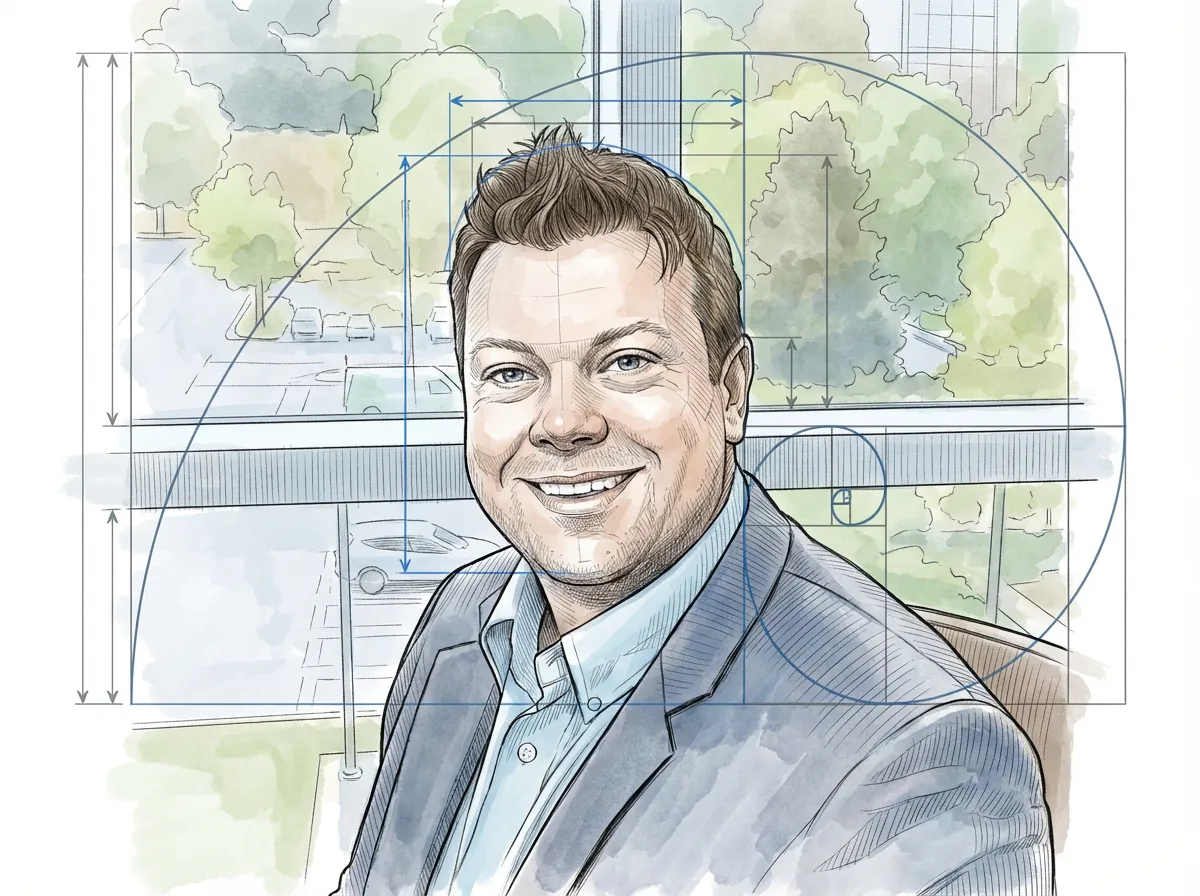
About the Expert: Ryan Johnson is Vice President of Solar and Energy Storage at Clayco, where he leads the company’s newly launched power and energy division. Over the course of his nearly two-decade career, he has overseen the construction of 10.5 gigawatts of solar projects and 4.5 gigawatt-hours of battery storage across the United States.
This article is intended for informational purposes only and does not constitute legal, financial, or investment advice. The views and opinions expressed herein reflect those of the individuals quoted and do not represent an endorsement of any company, product, or service mentioned. Readers should conduct their own due diligence and consult qualified professionals before making any investment decisions.