A persistent pattern of cosmetic-first capital allocation is leaving multifamily properties exposed to preventable structural failures. Brad Strawbridge, Founder and CEO of Capital City Roofing, has watched this pattern repeat across Georgia, Tennessee, and South Carolina. His firm works primarily with multifamily and commercial property owners, and Strawbridge says the problem reflects a deeper misunderstanding of how roofing systems work, how insurance carriers are evolving, and how deferred maintenance quietly erodes asset value.
Compounding the issue is a shifting insurance landscape. Carriers are non-renewing policies and raising deductibles, adding cost and scrutiny to projects that owners may have already been postponing. The operators who most successfully navigate this environment are those who treat their roofing assets as a managed line item rather than an afterthought.
Cosmetic Upgrades Over Structural Repairs
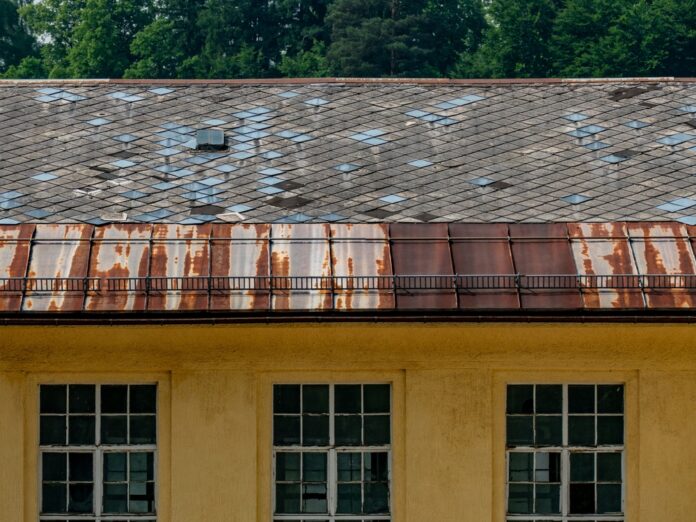
Strawbridge encounters a recurring scenario across multifamily properties. An apartment complex has dated but fully functional windows — adequate insulation, proper operation, serving their purpose. Meanwhile, the roof is fifteen years old and approaching the end of its serviceable life. The owner replaces the windows.
“The biggest mistake that I see building owners make is investing their capital expenditure budget in the wrong things,” Strawbridge says.
He acknowledges the logic. New windows are visible to prospective tenants, signal a well-maintained property, and can support higher asking rents. The roof is invisible in the leasing conversation — no tenant has ever asked about the membrane system or flashing condition during a tour. Yet that invisibility does not reduce the roof’s operational importance. It only delays the consequences of neglect.
Hidden Roofing Knowledge Gap
Most property owners and managers think of a roof in terms of its visible surface: shingles, TPO membrane, or modified bitumen. The underlying system is considerably more complex. According to Strawbridge, a functional roofing system includes six or more components and layers not visible from the ground, each installed in a specific order and to a specific standard. “You don’t take into account the six additional components and layers that comprise a roofing system,” he says.
This knowledge gap means owners evaluating roofing proposals often cannot assess what they are actually buying. When multiple contractors submit bids, the lowest number becomes the most legible data point. Differences in underlayment quality, flashing specifications, ventilation design, and installation sequencing remain invisible to a non-specialist until they fail. A fifteen-year-old system two years from failure looks identical to a ten-year-old system with a decade of service life remaining — at least to an untrained eye.
Deferred Maintenance and Its Consequences
Education in this space tends to follow a painful pattern. “People learn one of two ways,” Strawbridge says. “They learn because they like learning, or they learn out of necessity, because they’ve experienced pain.”
Most property owners who misallocate capital have not yet accumulated enough pain to change behavior. No major storm has struck during the period when deferred maintenance posed the greatest risk. No tenant has filed suit over water intrusion. No insurance carrier has declined renewal over roof age. Owners interpret this absence of consequences as confirmation that their approach is working.
When consequences do arrive, they tend to come at once. A storm produces leaks across multiple units, interior damage follows, and tenants file complaints or pursue legal remedies. The insurance carrier scrutinizes the claim. The capital budget spent on windows is no longer available for emergency repairs. The owner who deferred a planned replacement now faces an unplanned one, at higher cost and under worse conditions. Proactive maintenance planning can interrupt this cycle, but only if owners engage before a crisis occurs.
Data Drives Proactive Capex Decisions
Multifamily owners are increasingly turning to portfolio-wide roof condition assessments to support more disciplined capital planning. These systems grade properties across multiple performance indicators, project replacement timelines, and provide cost estimates based on current market pricing — including projected costs for future replacements. The approach is particularly valuable for operators managing multiple properties across different lifecycle stages, where deferred maintenance on one asset can quietly distort an entire portfolio’s risk profile.
Some roofing contractors and third-party inspection services now offer biannual maintenance plans that address potential failure points before they become active leaks. This serves both as a risk-management strategy and a way to avoid the premium costs that accompany emergency replacements.
Rising Costs of Deferred Roof Maintenance
As insurance carriers raise the stakes on deferred maintenance and Georgia building codes tighten installation requirements, the cost of prioritizing cosmetics over structure continues to rise. Carriers are no longer simply adjusting premiums — they are dictating replacement timelines, demanding class four impact-resistant shingles, and in some cases requiring owners to replace multiple roofs across a complex within 90 days or risk losing coverage entirely. For portfolios where maintenance has been deferred across several properties, that kind of compressed timeline can force owners into simultaneous capital outlays they were never positioned to absorb.
Technology is also shifting the balance of information away from property owners. Insurance carriers now draw on aerial imagery, claims data, and roof age datasets to assess portfolio condition — often with greater accuracy than the owners themselves. This data asymmetry means carriers can identify aging or underperforming roofs before an owner has any reason to act, effectively giving them leverage over coverage decisions. The operators closing that gap are those investing in their own condition data: regular assessments, documented maintenance histories, and replacement projections that allow them to engage carriers and investors from a position of preparation rather than reaction.
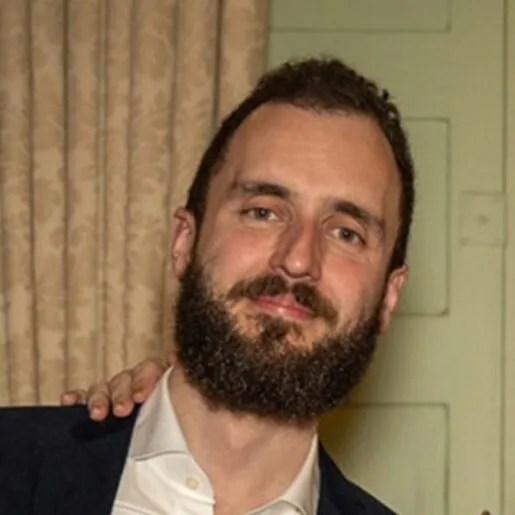
About the Expert: Brad Strawbridge is the Founder and CEO of Capital City Roofing, working primarily with multifamily and commercial property owners across Georgia, Tennessee, and South Carolina.
This article is intended for informational purposes only and does not constitute legal, financial, or investment advice. The views and opinions expressed herein reflect those of the individuals quoted and do not represent an endorsement of any company, product, or service mentioned. Readers should conduct their own due diligence and consult qualified professionals before making any investment decisions.