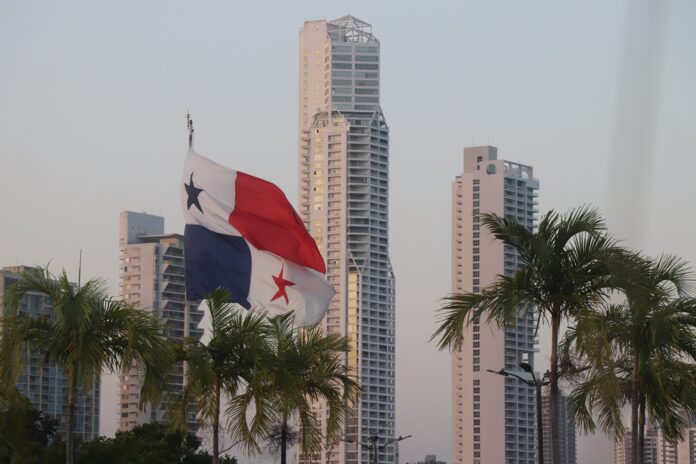
American real estate investors have historically concentrated holdings within domestic markets, but that pattern is shifting. Economic headwinds, evolving residency considerations, and portfolio diversification strategies are driving increased attention to international real estate opportunities, with Panama emerging as a strategic entry point combining accessibility with substantive investment fundamentals.
Geographic Concentration Risk Comes Into Focus
Portfolio diversification principles apply as forcefully to geographic concentration as to asset class selection. When U.S. economic conditions deteriorate, real estate holdings clustered entirely within American markets face correlated downside exposure. International property allocation provides portfolio balance that becomes particularly valuable during domestic economic stress.
Steve Luther, a partner at Nashville-based CHORD Real Estate who has made substantial Panama investments, points to practical advantages lowering barriers to entry. The country’s use of the U.S. dollar eliminates currency exchange risk on transactions. Central Standard Time alignment enables real-time business communication without the complications of significant time zone differences. Widespread English usage in business contexts removes language barriers that complicate deals in many international markets.
These factors make Panama an accessible first international real estate position for investors new to cross-border transactions, while still delivering the portfolio diversification benefits driving the strategy.
Economic Structure Reduces Tourism Dependency Risk
Investment markets heavily reliant on tourism face inherent volatility, as COVID-19’s impact on travel-dependent economies demonstrated. Panama’s economic foundation differs structurally from Caribbean and other tropical markets more singularly focused on leisure travel.
The Panama Canal serves as the country’s economic anchor: critical global infrastructure maintaining operations regardless of tourism fluctuations. International banking operations, multinational corporate regional headquarters, and logistics businesses create economic diversity that insulates real estate demand from tourism-specific shocks.
Luther emphasizes this distinction: “If you’re looking in a strictly tourist market, if you have something like COVID that comes along, those investments can really be impacted. Panama’s never been just this huge tourism-focused country. It’s been very much about business.”
This structural stability appeals to investors prioritizing consistent cash flow and appreciation over speculative positions on seasonal travel patterns. Business-driven demand supports both residential and commercial real estate independent of leisure visitor trends.
Healthcare Infrastructure Adds Strategic Dimension
Quality healthcare access increasingly influences international real estate decisions, particularly for investors evaluating potential personal use beyond pure investment returns. Panama’s healthcare system features Johns Hopkins and Mayo Clinic facilities, medical tourism infrastructure attracting international patients for advanced treatments, and a billion-dollar medical city currently under development.
For investors considering extended stays, retirement relocation, or simply wanting confidence in local services during property visits, healthcare quality represents a non-financial consideration with material impact on investment satisfaction and long-term property utility.
Residency Programs Create Added Value Beyond Returns
Real estate investments in Panama carry benefits extending beyond property appreciation and rental income. The residency-by-investment program grants permanent residency upon $300,000 property purchase, with citizenship eligibility following a five-year residency period.
This structure creates optionality pure financial assets cannot provide. Investors gain potential tax planning flexibility, enhanced travel freedom through additional passport access, and genuine relocation options should personal or political circumstances warrant consideration.
The Friendly Nations Visa program offers alternative pathways for investors preferring different structures or lower investment thresholds. These accessible programs contrast with European Golden Visa schemes requiring substantially higher investment minimums and more complex qualification processes.
Navigating Market Entry Challenges
International real estate success requires managing unfamiliar legal frameworks, property management systems, and development completion risks. The vetting challenge becomes critical—distinguishing legitimate opportunities from problematic situations without local expertise and market knowledge proves difficult for remote investors.
Established partner networks covering legal services, property management, and developer oversight substantially mitigate these risks. Pre-vetted service provider relationships reduce the risk premium typically associated with international investments by eliminating much of the trust verification burden individual investors would otherwise face.
Geographic diversity within Panama adds strategic dimensionality. Panama City provides urban investment opportunities with rental demand from business professionals and international workers. Coastal developments like Playa Caracol near the capital target lifestyle buyers and short-term rental markets. Highland regions such as Boquete attract retirees seeking temperate climates and significantly lower cost of living.
Current Market Dynamics and Timing Considerations
Development activity levels in Panama City present both opportunities and risk factors requiring careful evaluation. Pre-construction investments offer potential appreciation as projects progress toward completion, while carrying development and delivery risks. Completed properties provide immediate rental income with less volatility but typically command premium pricing.
Developer track records warrant close scrutiny. Completion history, financial stability indicators, and market reputation separate lower-risk opportunities from ventures carrying elevated completion uncertainty. Developers with substantial completed projects, established government relationships, and institutional backing generally present lower risk profiles.
Supply dynamics currently favor buyers in certain Panama City segments as new inventory reaches completion. Negotiation opportunities exist particularly for investors prepared to transact efficiently with proper due diligence frameworks already established.
Portfolio Integration Considerations
Panama real estate functions most effectively as one component within a diversified portfolio rather than as a concentrated position. Allocation sizing should reflect individual risk tolerance, liquidity requirements, and prior international investment experience.
For investors new to cross-border real estate, initial single-property positions provide market learning without overextension. Experienced international investors might target larger allocations across multiple properties or development stages, building positions as local market knowledge develops.
Currency dynamics merit attention despite dollar usage in transactions. Property operating expenses including local labor, materials, and services remain subject to Panamanian inflation trends, creating partial local currency exposure even with dollar-denominated purchase prices and rental income.
International real estate allocation no longer represents niche strategy territory for adventurous outliers. As portfolio diversification imperatives intensify and U.S. market dynamics evolve, strategic exposure to accessible markets like Panama becomes increasingly relevant for sophisticated investors constructing resilient, geographically balanced portfolios.
CHORD Real Estate hosts its Invest Panama Summit May 28-30, 2026, in Panama City, connecting investors with vetted local partners and development opportunities. Information available at chordrealestate.com/investpanamasummit.
Disclosure: Individuals or companies mentioned may have a commercial relationship with KeyCrew.